The Makings of Enghack
The Makings of Enghack
It was 10:15AM when I got a discord message from the commissioner for this year's Enghack Competition. She asked if I wanted to be a director for a new division of the competition - a CAGE/CHE competition. CAGE represents the Civil, Architectural, Geological, and Environmental Engineering classes, while CHE represents the Chemical Engineering classes. This new division was an opportunity to engage engineering students who weren't really involved with Hackathons, which included the students in those aforementioned classes.
As a bit of background, I was an Environmental Engineering student for my first year at Waterloo, and I became really involved in the community! It made it kind of bittersweet to be transferring to Mechatronics Engineering because of that... But I am passionate about ensuring that everyone has equal opportunity in the engineering space. So naturally, I accepted the invitation, and got to work.
I was most excited to empower people to see the fun and innovation that can be associated with Sustainability, and with all of the data analysis and programming that the CAGE/CHE students do, I figured it would be a great idea to take this in a data direction.
Need to Be Sustainable
My partner and biggest supporter throughout this project was another hand-picked director, Kian (Last Name omitted intentionally). Kian and I were on opposite streams, meaning that I would be on a co-op term while he was on a school term, and vice-versa.
Technically we were supposed to split the work evenly, but I totally think he did more work. While I set the necessary documents up, Kian went above and beyond to schedule meetings with professors, gather data, and really put the competition together. In the end, our competition was called the "Sustainability" Competition, because of its close ties to social, economic, and environmental sustainability challenges.
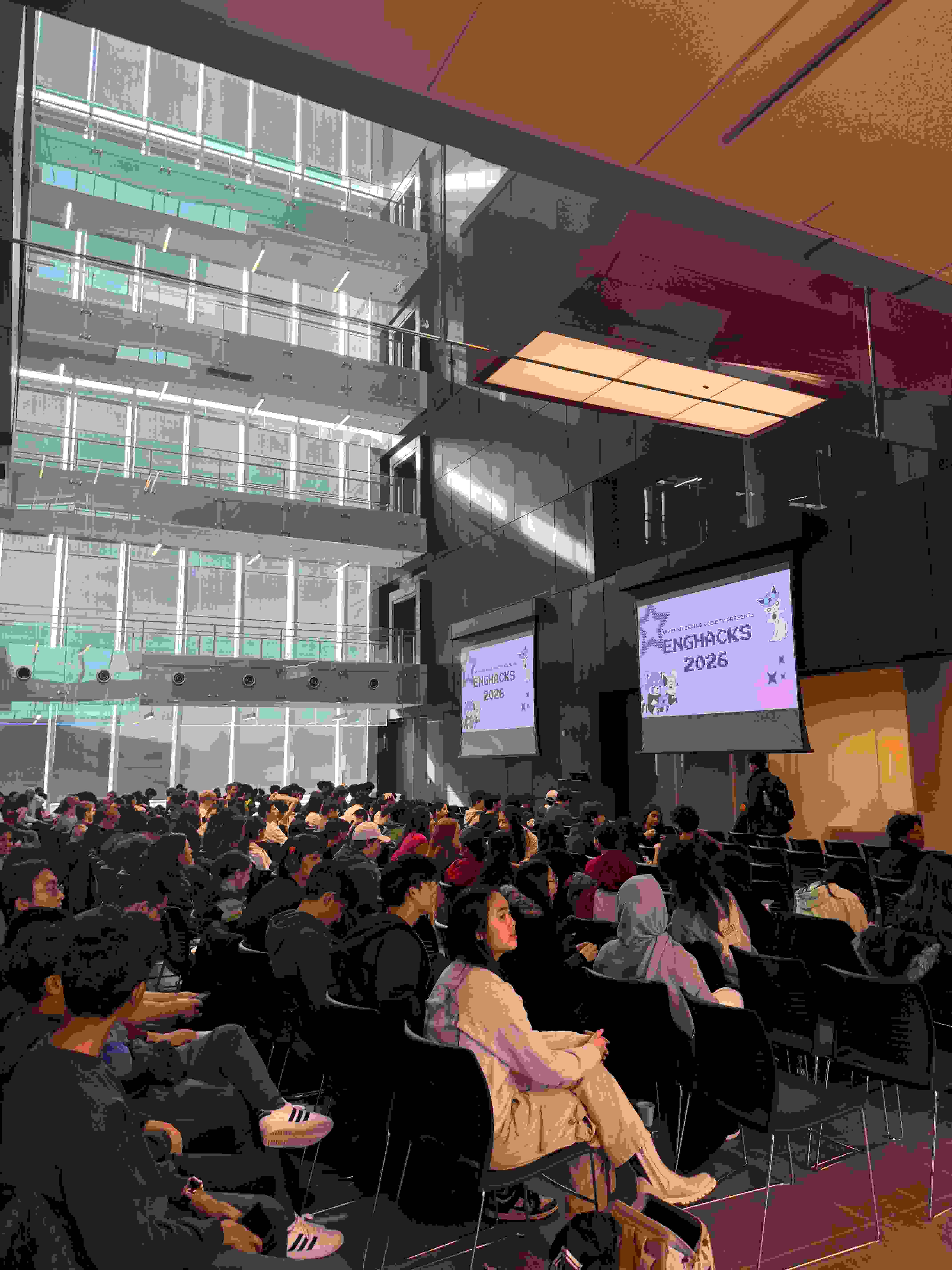
The Prompt
Competitors in the Sustainability competition were tasked to complete a case study on the Alberta Oil Sands. This is a topic especially close to my passion for the environment. In Grade 9 Geography class, my teacher introduced us to the environmental issue of the Athabascan Oil Sands. This was a case study that I drew both learning and passion from. What it made me realize was that environmental issues are so interdisciplinary and multi-faceted, and you can't just care about cleaning up rivers or stopping bitumen extraction. You have to attack an environmental problem at its source and find a way that all stakeholders can benefit.
The competitors were tasked with reducing the Greenhouse Gas emissions associated with the extraction of bituminous oil. Methane is mostly released from tailings ponds, when bacteria decomposes the hydrocarbons remaining in tailings ponds.
The Solutions
There were some interesting solutions throughout the competition, and I definitely felt the passion in a lot of the competitors, which made me really happy.
Some solutions proposed were definitely along the lines of what we were envisioning through the creation of the competition prompt.
Examples of those solutions included methane capture and reprocessing plants, methane combustion plants, and more!
The Challenges
One of the biggest challenges was making sure competitors felt engaged throughout the event. We needed to be constantly available to answer questions, clarify expectations, and help people navigate the prompt in real time.
Another challenge was that while some participants were genuinely excited about sustainability, others realized they were a better fit for different competition divisions. Supporting people through that decision and helping them find where they could contribute best was an important part of running the division well.
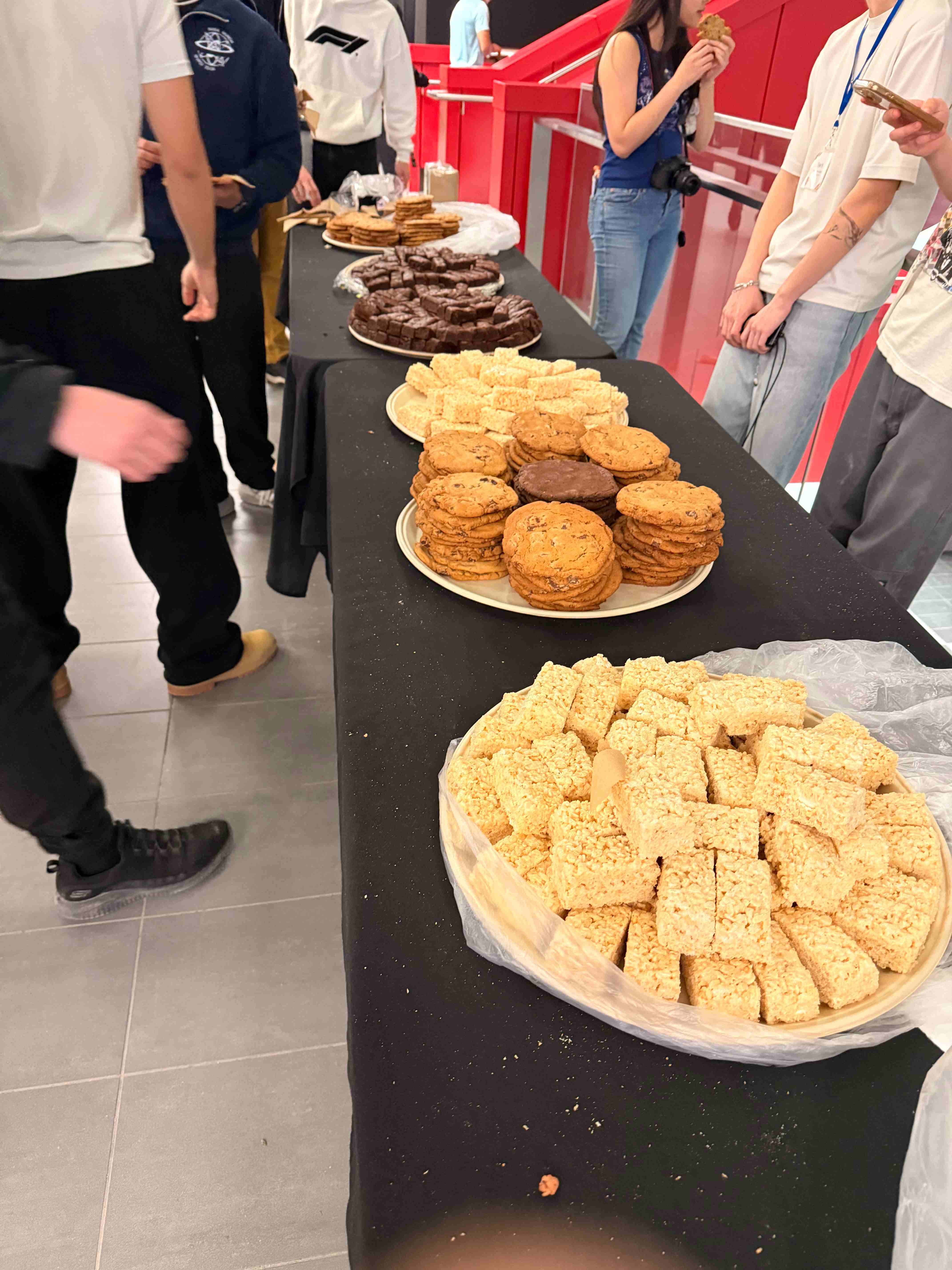
We also had to support food distribution, which came with its own chaos. There were often people who were not involved with EngHack coming up and asking for food, so managing access while still keeping things smooth for actual participants became another ongoing responsibility.
Lessons Learned
The biggest lesson I learned is that time management is everything when you are organizing a hackathon. Being ready weeks in advance makes a huge difference, because unexpected issues always show up at the last minute. The more preparation you finish early, the more capacity you have to handle those surprises without everything feeling rushed.
Another major lesson is that you need to talk to professors early and often to validate your prompt and theme. Their feedback helped us make sure the challenge was meaningful, realistic, and educational instead of just sounding good on paper.
Finally, sponsors and marketing need to be locked in early as well. Even though we had competitors who were genuinely interested in the sustainability division, I still believe many students never heard about it and assumed EngHack was only for software people. Better outreach can change who feels welcome to participate. Our marketing team was amazing, and it was only after reflecting on the hackathon that I realized that it would have been beneficial to ask for more advertisement for our sub-competition! That would have attracted tons more people in Chem Eng and CAGE.
But above all, drink lots of beer and celebrate hard with your amazing team.